What does circularity look like in a tourism business? In one place, it can mean using solar power to cut electricity costs. In another, it can mean finding a second use for materials that would otherwise become waste. Elsewhere, it can mean rethinking heating, water use, construction, transport, or the whole guest experience, from the moment someone plans a visit.
During the course of the CirculaTIA Program, 40 tourism businesses from Shirak, Lori, Tavush, Gegharkunik, Vayots Dzor and Syunik explored what these changes could look like in their own operations.
The businesses were selected from 68 applications. They included accommodation, food and beverage, adventure tourism, ecotourism, agritourism and cultural tourism. Their businesses and regions were different, but their questions were similar. How can we use fewer resources? Where are we losing energy or value? Which improvements make financial sense? And how can sustainability strengthen a business instead of becoming an extra burden?
CirculaTIA was designed to help them find practical answers. The program was carried out by Impact Hub Yerevan. It was financed by the European Union in Armenia and the German, Swiss and Austrian Governments, through the PSD TVET and SE4Resilience projects implemented by GIZ.
A central part of the program was the three-day CIRCO circular business training. At least 33 of the 40 businesses completed it. They worked through their own business models to find where circular opportunities could be created.
Participants’ confidence grew clearly. Before the training, less than 20% of participants had rated their knowledge of circular business at four or five out of five. Afterwards, all 31 did.
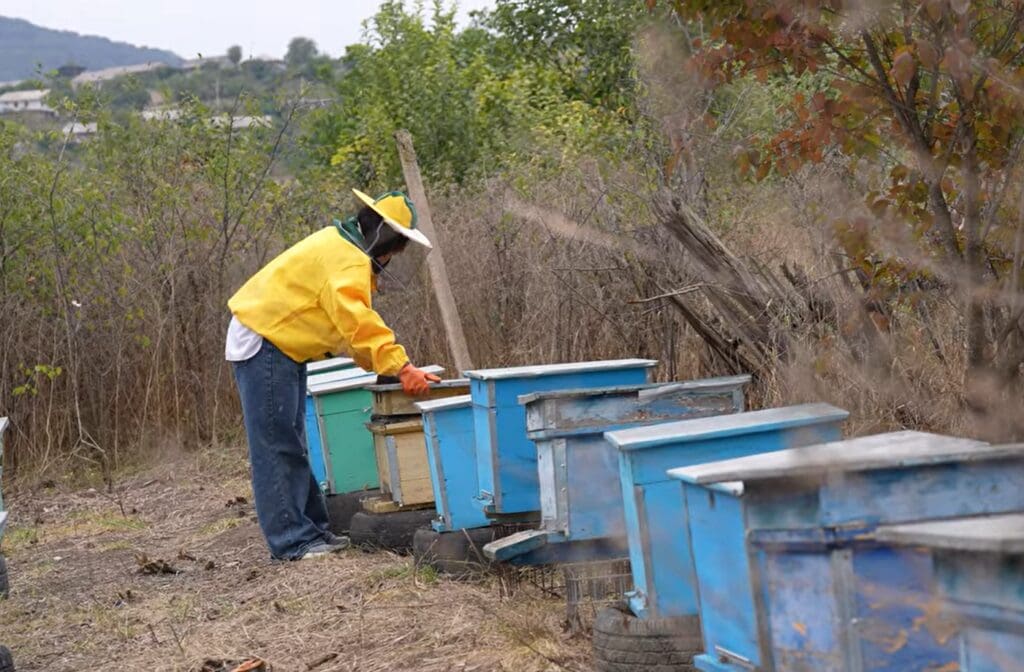
For Tatevik Harutyunyan of PARS Apitourism Center in Jujevan, the training was about more than new terminology. PARS already operated off-grid, used green energy and reused natural materials. The program helped the team see where else circularity could fit in the business.
“Before joining the training, we thought circular solutions were limited to the physical premises of PARS. During and after the course, we began to understand circularity on a much deeper level. We now believe these models must be woven directly into the entire visitor journey, from the very moment someone decides to visit us.”
This change in thinking is what the program aimed for: moving from separate “green” actions to a clearer understanding of how sustainability connects to business decisions, customer experience and long-term planning.
As Nazareth Seferian, CEO of Impact Hub Yerevan, explains, “What stands out in these results is not only the knowledge participants gained, but the confidence to apply it within their own businesses. CirculaTIA also created a community of tourism entrepreneurs who can continue learning from one another, sharing solutions and advancing more sustainable practices across Armenia’s regions.”
Circularity was only one part of the program. Energy is a major cost for many tourism businesses, especially in Armenia’s regions, where heating seasons can be long and infrastructure varies a lot.
Thirty businesses received an on-site assessment from energy-efficiency experts. Owners looked closely at their buildings, equipment and energy use, and identified practical improvements.
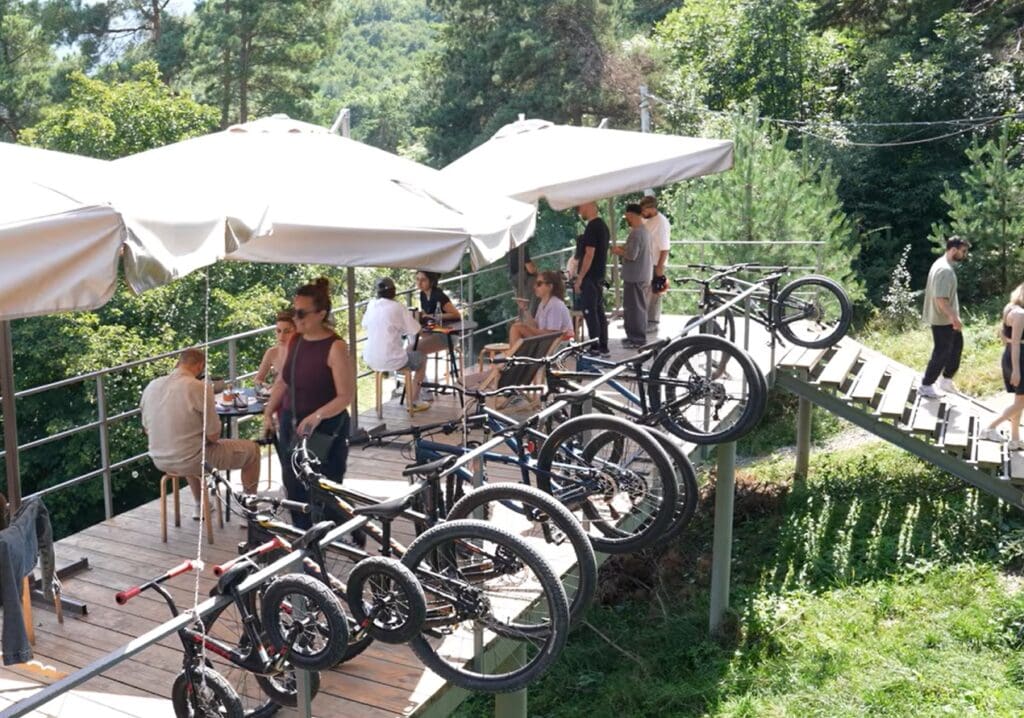
At Boo Mountain Bike Park in Vanadzor, the cafe already has a 4.9 kW solar system on its roof. According to founder Emma Petrosyan, it reduces electricity costs by around 30% during the summer months. The business is now considering more solar capacity and further efficiency improvements. These could lower costs and free up money for other green investments.
For some participants, the main value was access to expertise that a small business from the region could rarely hire on its own. Emma described the training as highly practical, especially on construction and insulation. One lesson was so useful that she now shares a video from the training with her builders.
At Nature Rooms Cabin in Gegharkunik, founder Satenik Khachatryan had already introduced solar energy and several environmentally conscious practices. CirculaTIA helped her turn some ideas into action. For example, she replaced disposable guest slippers with durable ones that visitors can take home and keep using. For Satenik, the value was in making sustainability more deliberate.
“Rather than making empty claims about ‘practicing green tourism,’ we are actually living and working by it.”
Energy efficiency mattered just as much. The cabin’s heating season lasts around eight months, so a practical heating solution is key to operating all year.
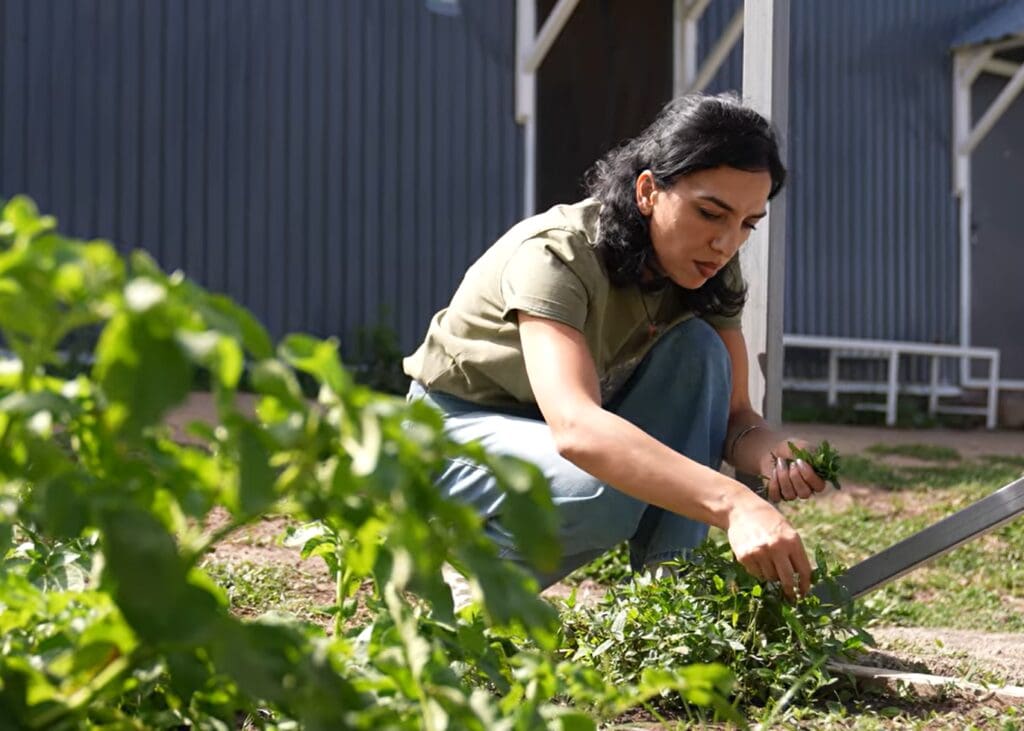
At Berkri House in Yenokavan, the team named solar energy, wastewater treatment and better insulation among its priorities. Its own calculations suggest that solar energy could eventually cut guesthouse expenses by 50–60%.
At ZARK Ecocamp, a solar agrivoltaic system already provides the camp’s electricity. The team is now exploring geothermal heating and cooling, rainwater collection and more ways to reuse natural materials on site. The camp also welcomed nearly 1,000 young people, so these technical choices have an educational side too.
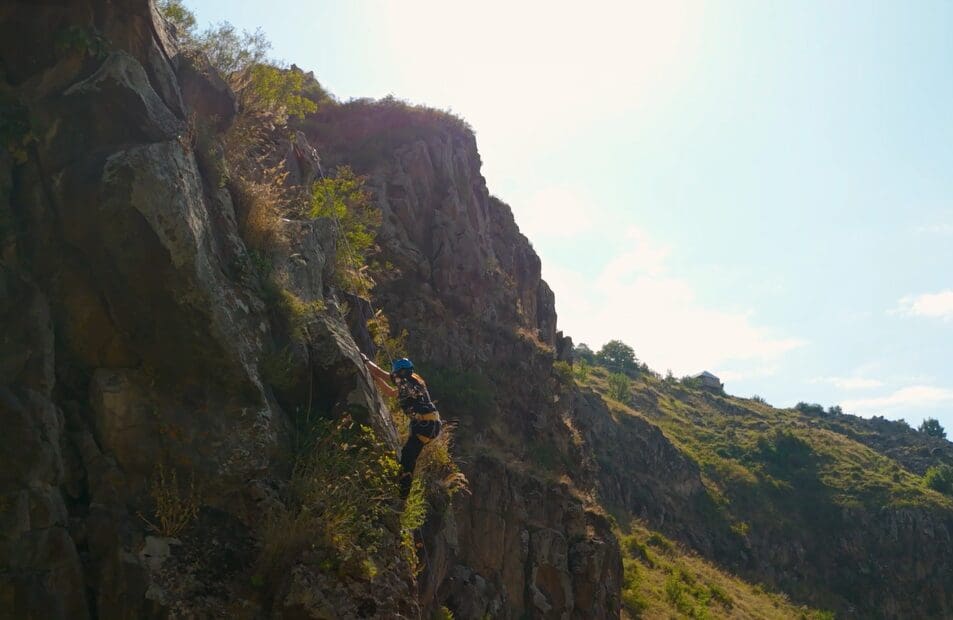
At Northern Wall, an adventure tourism center near the Akhuryan Gorge, Mihran Baghdasaryan began to put a number on a resource that had always been treated as a simple operating cost. The team calculated that one cubic meter of firewood is used for around four thermal therapy sessions. Mihran estimates this is roughly equal to one 50–60-year-old poplar tree. Their next goal is to reduce this dependence through solar energy and alternative fuels.
“Our whole aim is to reach a point where everything we use completes a full cycle and returns to nature, where it can be reused.”
These businesses are at different stages. Some have already introduced solutions. Others have made plans, completed assessments or identified the investments they need next. What they share is a clearer ability to make decisions based on their own business reality.
One of CirculaTIA’s strongest results was less technical, but just as important. Participants said they had made meaningful connections through the CIRCO community.
For a business outside Yerevan, these relationships matter. Participants met entrepreneurs facing similar challenges, exchanged ideas and saw how an approach from one region or business type could inspire another. Mihran of Northern Wall put it simply, “You meet people like you and realize you’re not alone.”
These connections allow peer learning to continue after the program has ended.
The businesses now have stronger knowledge, technical assessments, new ideas and clearer roadmaps. But many energy-efficiency and circular solutions need upfront investment before savings or new revenue appear. The gap between knowing what to do and being able to pay for it will be an important part of the next stage of Armenia’s move toward more sustainable tourism.
CirculaTIA has now ended, but its work continues through the decisions these businesses make next: a better-insulated room, a solar installation, a new approach to wastewater, a product designed for reuse, a more efficient heating system, or a partnership formed through the program.
Together, these steps show what a circular, energy-efficient tourism sector can look like in practice: locally designed, based on business needs and carried forward by entrepreneurs across Armenia.
